
Rising damp: how to identify rising damp and the signs of dampness that rises from the ground.
Rising damp, also called capillary dampness, refers to water that comes from the ground and rises through walls via porous materials (stone, brick, concrete blocks). This phenomenon appears mainly at the base of walls, both indoors and outdoors, and progresses vertically.
Typical signs include continuous tide marks above skirting boards, crumbling finishes, peeling paint, or deposits of mineral salts (saltpetre). Unlike infiltration (localized stains) or condensation (mould spots in corners), rising damp marks are generally regular and aligned along the lower part of the wall.
This page is purely informative: it helps you identify the visual characteristics of rising damp in order to avoid any confusion with other building defects.
Rising damp
Discover the impact of capillary dampness in your home. This phenomenon can cause persistent dampness, the development of mould and the deterioration of structures, making rapid intervention essential.
This comprehensive guide will help you to:
• Identify the first visible signs
• Understand the technical causes of the phenomenon
• Choose long-lasting solutions to treat dampness at its source
• Preserve your property assets through preventive action
Thanks to expert advice, restore the integrity of your home and ensure a healthy and dry environment for your family.
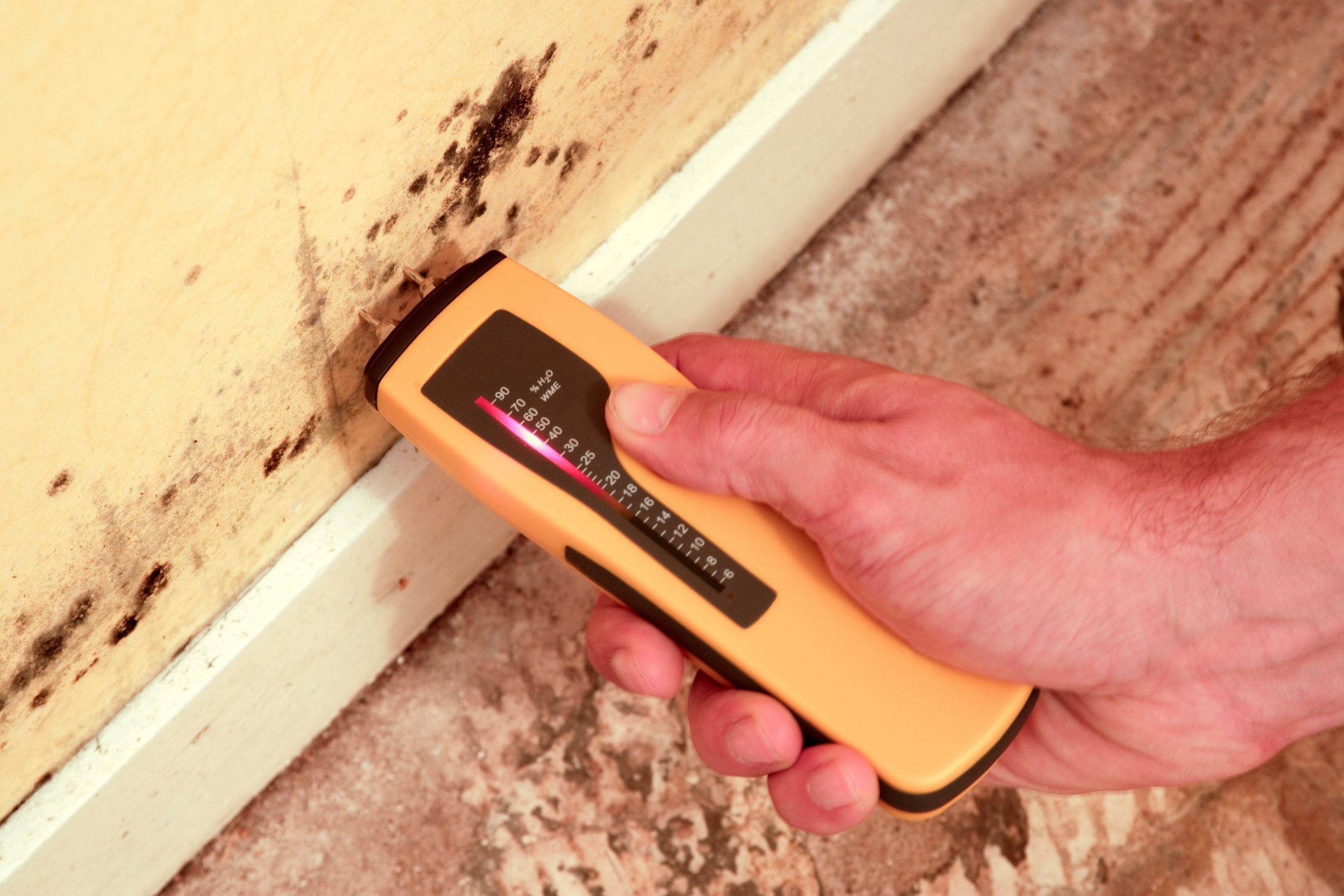
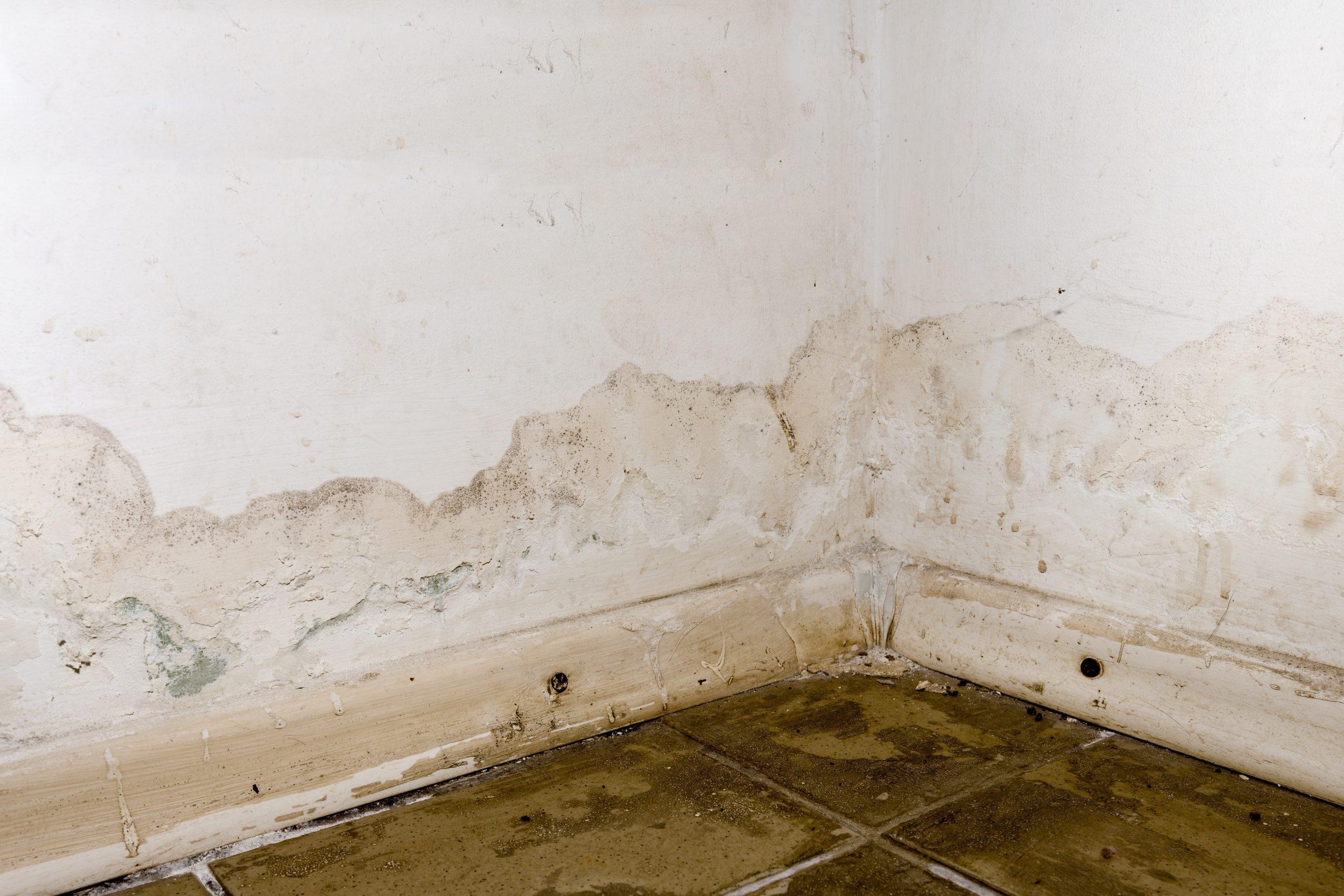
Understanding dampness
To properly understand capillary dampness, it is essential to know how it works and what consequences it can have on the structure of your home.
This phenomenon occurs when groundwater rises through porous materials such as concrete, plaster or brick, under hydrostatic pressure.
This rising damp can progressively weaken the foundations and cause irreversible damage in the long term.
In addition to visual inconveniences, such as stains or discoloration on walls, capillary dampness can compromise the structural integrity of your property.
To avoid costly repairs and preserve the value of your home, it is essential to act in time.
Solutions to eliminate capillary dampness vary depending on the scale and severity of the problem.
Protect your home from dampness
Rapid intervention and the adoption of preventive measures are essential to protect your home from damage caused by capillary dampness.
It is recommended not to wait until signs of dampness are obvious. Regular observation of walls and floors makes it possible to detect in advance any change or visible sign of dampness.
By taking action in time, you help preserve the structural durability of your property and maintain a healthy and dry environment for its occupants.
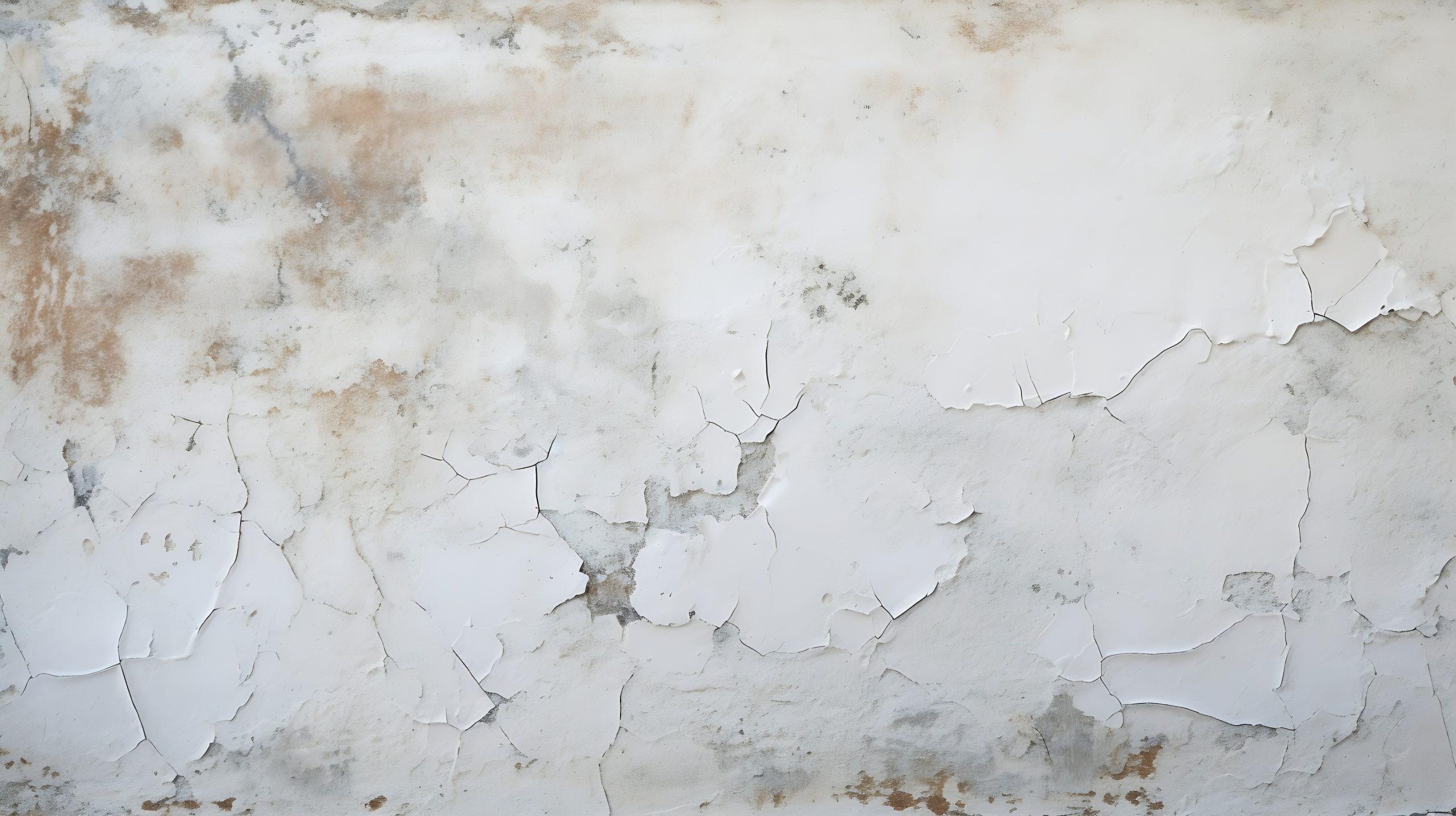
Rising damp represents a risk to the structural stability of your home and the comfort of its occupants.
By identifying visible signs of dampness and applying appropriate preventive and corrective measures, you protect your property sustainably against the effects of rising damp.
Adopting a preventive approach and using reliable solutions available online helps maintain the building’s longevity and ensures a healthy and dry environment in your home. Do not let dampness affect the value of your home: act in time to preserve your house.


