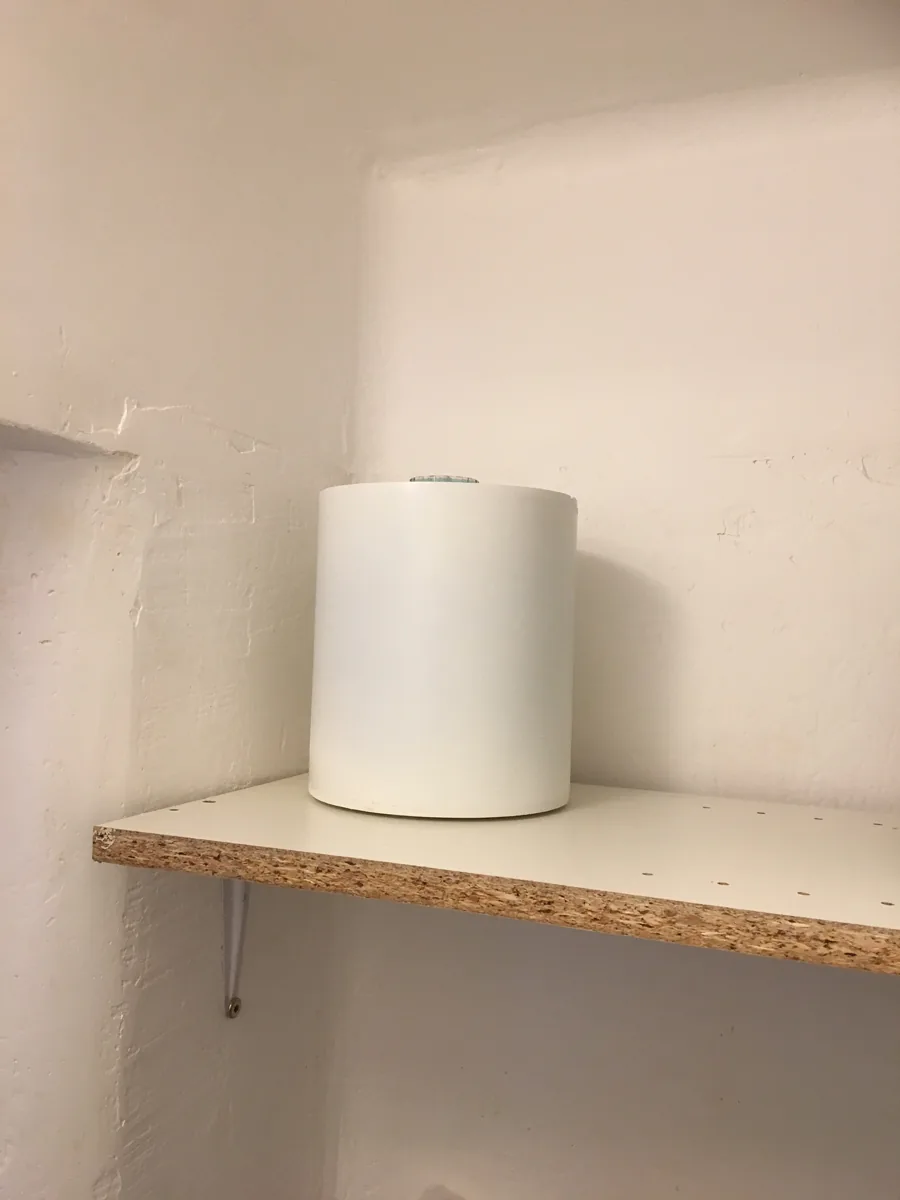
Between two doors: a customer installs an ATE while keeping the floor clear
November 18, 2026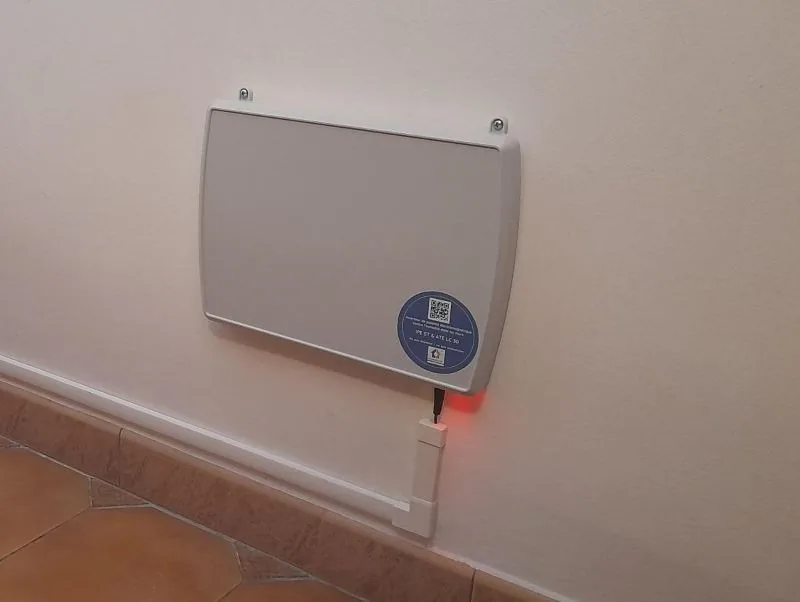
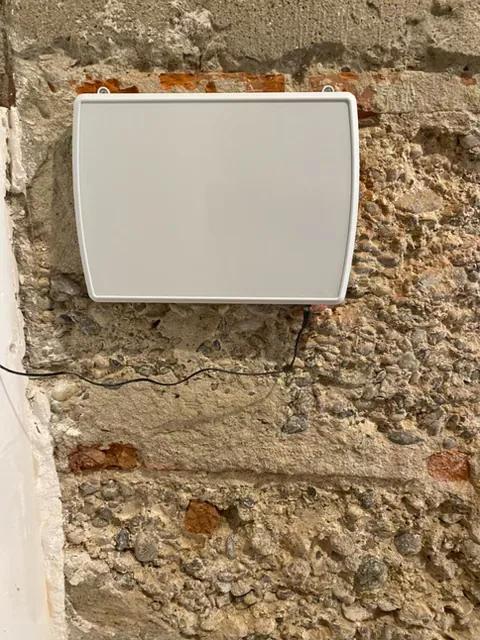
Saint-Denis: a wall-mounted ATE installed by the customer
November 18, 2026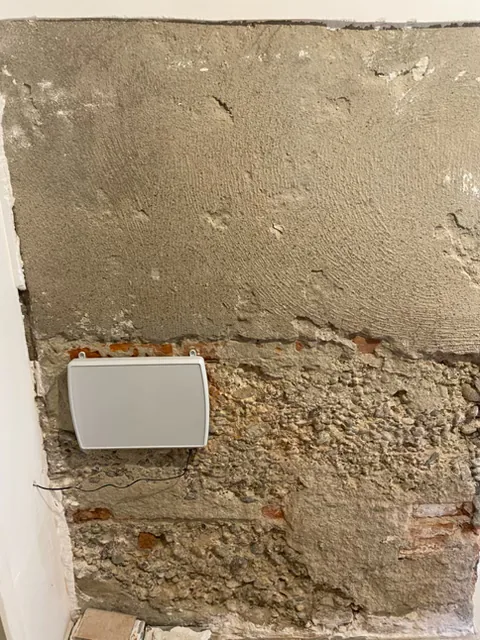
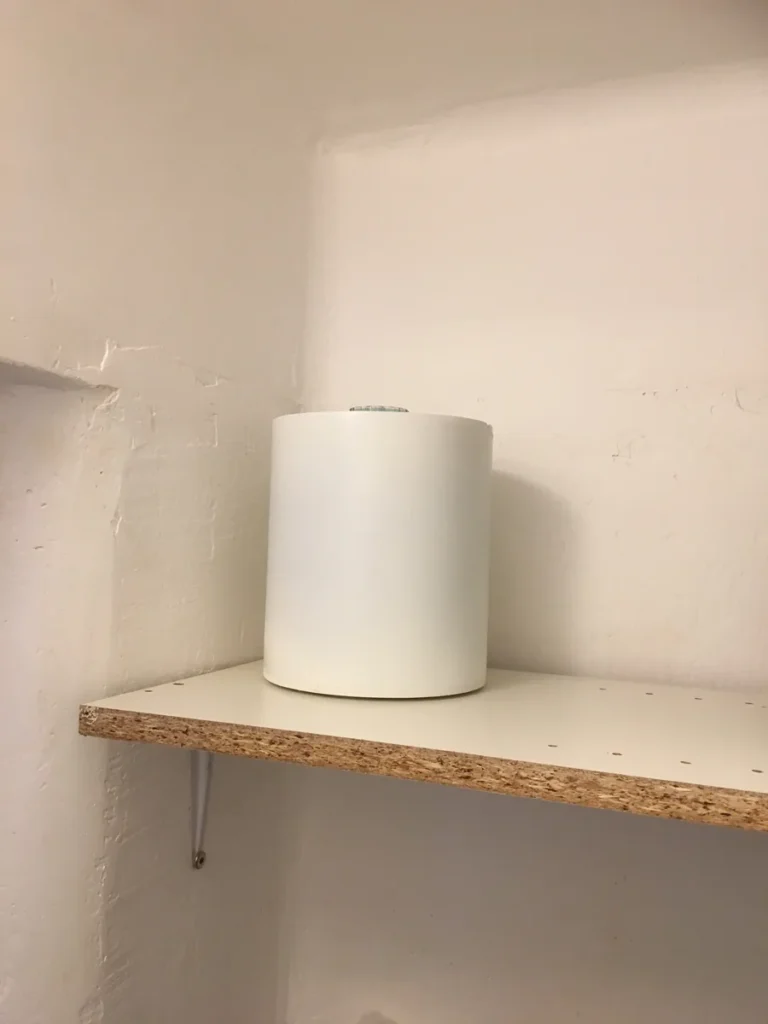
The two customer photos show the same ATE LC30 on exposed masonry, in a wide view and a close-up. They document one installation example. Fixing to an uneven surface must be prepared according to the instructions and the wall material.
Professionals: turn an installation photo into a useful conversation
A photographed installation helps customers picture the unit, its support and the space it occupies. If you work in renovation, advice or damp treatment, use this example to present a clear ATE or ATG offer and start a quotation request suited to the building.
Build a clear offer around the device
Identify the cause of damp first, then review the floor plan, materials and coverage of the proposed model. Set out the device, installation preparation, services actually included and proposed follow-up. Check professional terms and specifications with Help Humidité Pro before committing.
Explain simple installation without promising immediate results
STOP ONE refers to the mains-powered electromagnetic ATE family. GEOSTOP refers to the geomagnetic ATG family without an electrical connection. Follow the exact model instructions for the support, clearances and position. An installation photo provides neither drying measurements nor a timed installation record. Leaks, water ingress and condensation require their own interventions.
Prepare a professional enquiry
Would you like to add these devices to your business? Prepare your trade, service area, a floor plan and photographs of the affected walls. Ask Help Humidité Pro about models and terms suited to your project. This approach aims to support qualified enquiries; it guarantees neither a number of leads nor revenue.