Reselling ATE and ATG devices: preparing your first customer proposal
October 25, 2026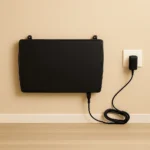
ATE LC15: what to check before recommending it to a customer
October 25, 2026
The names ATE and ATG do not explain a quotation on their own. A practical starting point is that ATE uses mains power while ATG works without electricity. Explaining this difference helps customers understand why you recommend a particular family.
Check the actual constraints
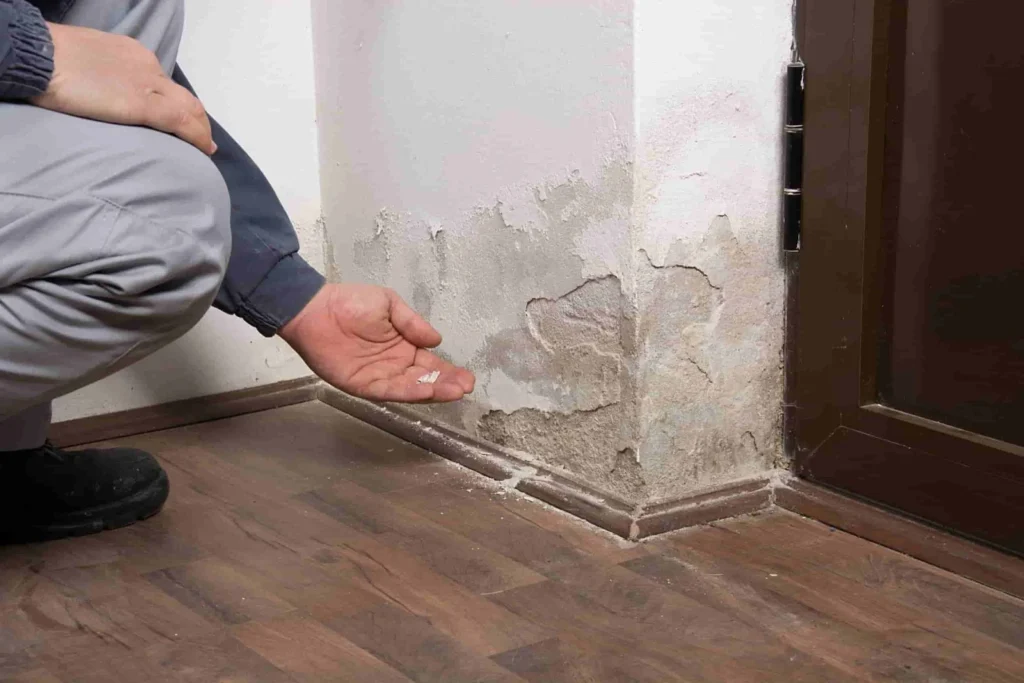
During the survey, consider possible positions, access to a suitable socket and how the rooms are used. An apparently convenient power connection is not enough to select a device. The cause of damp, building plan and model instructions must also guide the proposal.
Compare the available references
ATE LC15 and LC30 have stated coverage diameters of 15 and 30 metres. ATE LC30 PULSE is offered for 30 metres and ATE MAX for 60 metres. ATG LC15 and LC30 provide options without an electrical supply, with stated diameters of 15 and 30 metres. A diameter is not a floor area in square metres.
Make your advice easy to assess
Explain in the quotation which constraints led to the recommendation. Include the product information rather than a general promise to solve every damp problem. Customers can then compare offers with the same scope and understand the value of your professional assessment.
Practical checklist
- Record power supply and positioning constraints.
- Compare coverage diameters with the building plan.
- Explain installation conditions and any follow-up.
Prepare your professional offer
Read the model information and instructions below before preparing a proposal. Check trade prices, volume discounts and sales conditions in the shop. Contact HELP HUMIDITÉ PRO to discuss your business enquiry and the information needed for your project.