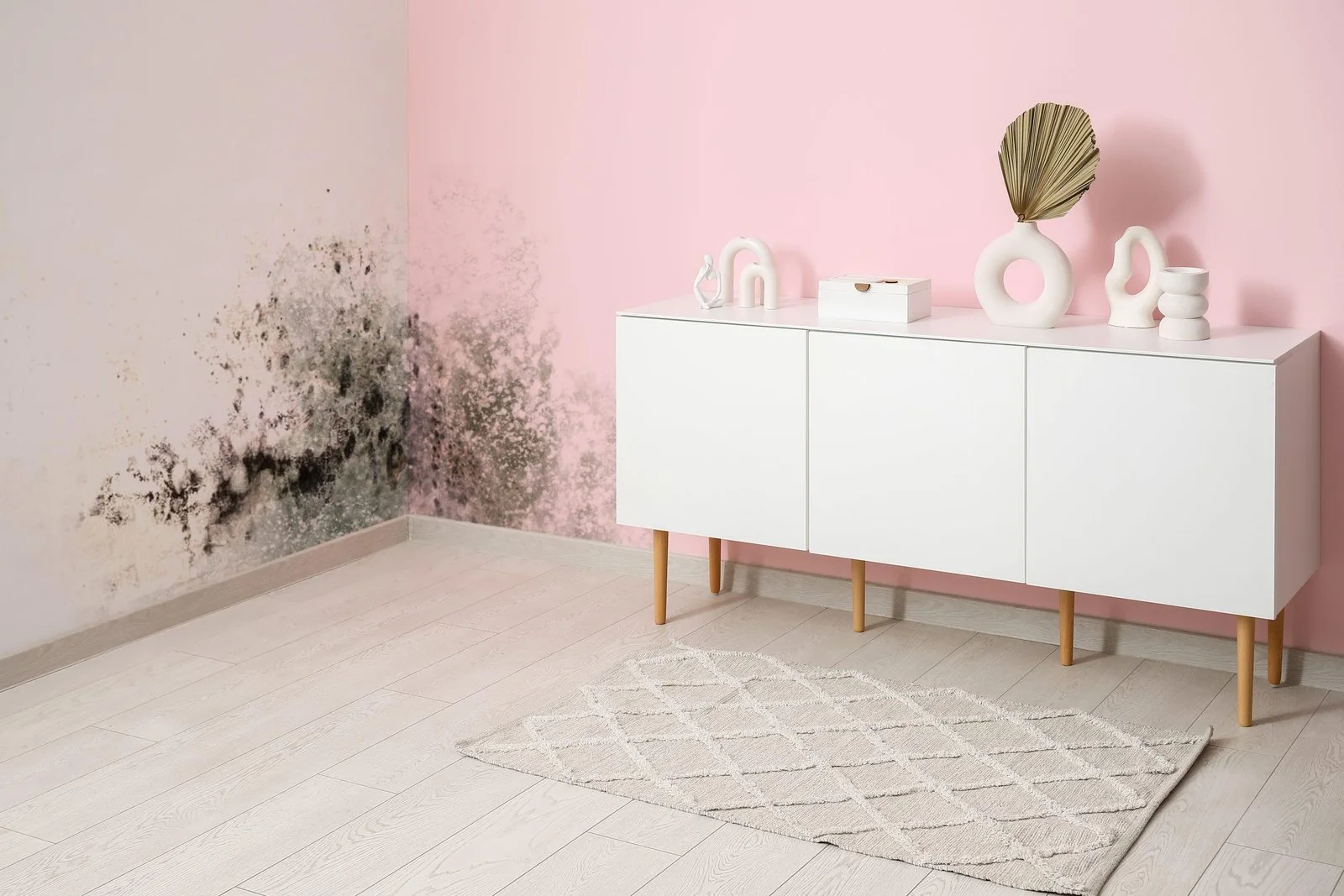
Damp air and walls: distinguish the work needed in a building
November 20, 2026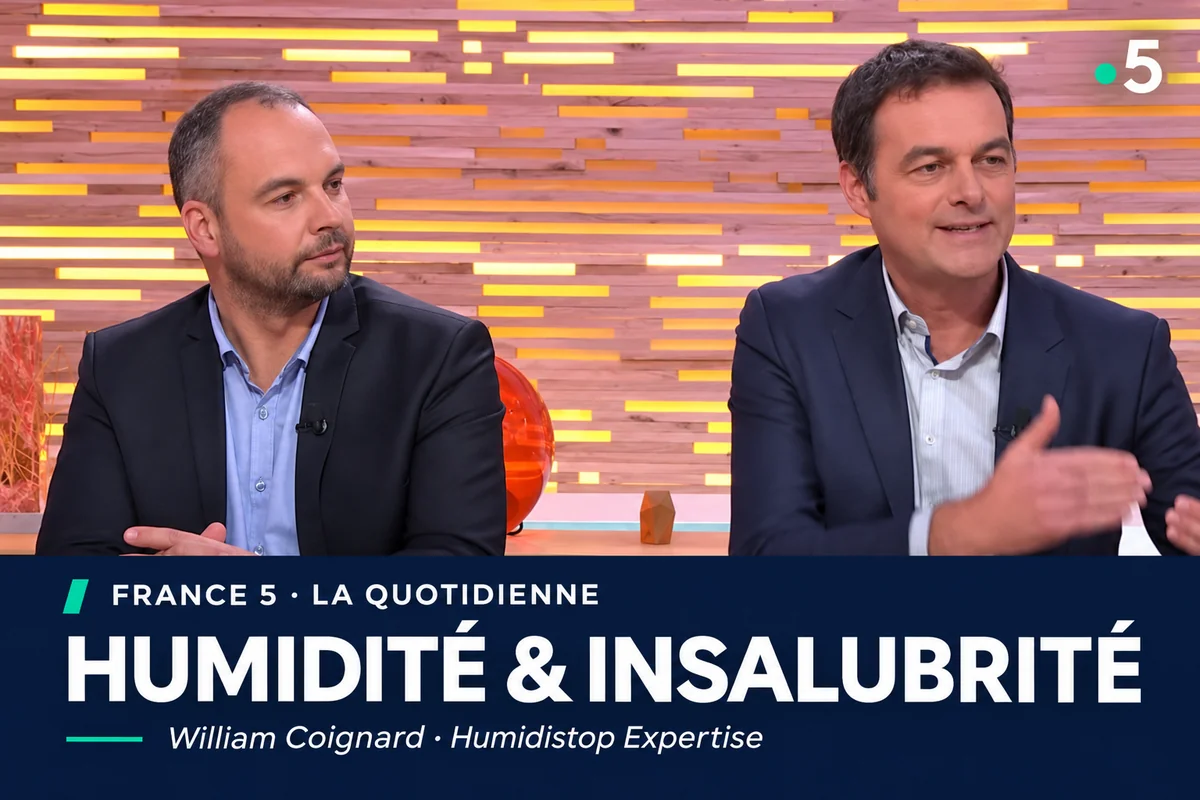
This French-language archive from La Quotidienne on France 5 features William Coignard in a discussion about damp, cracks and deteriorated housing. The explanation below is in English; the recording remains in French. It is a French broadcast, not a programme made for another country.
Watch the original archive
Watch the original French-language video on YouTube
What the programme helps you examine
The sequence combines studio discussion and reported housing situations. It is useful for placing a visible mark in the wider condition of a building. It does not provide the inspection or measurements needed to identify the cause in your own property.
Turn observations into useful questions
For example, a mark below a window that worsens after rain calls for different checks from mould behind a wardrobe. Record the position, weather, room use and previous repairs. Damp, cracks and damaged finishes may require separate investigations; a photograph alone does not confirm rising damp.
Where ATE and ATG fit
Help Humidité Pro offers Humidistop ATE and ATG devices for rising damp in masonry. ATE uses mains electricity; ATG operates without an electrical supply. These devices do not repair leaks or penetrating water and do not replace suitable ventilation. If rising damp is confirmed, compare the exact model, installation manual, stated coverage and monitoring arrangements.
Prepare your next step
For architects, building contractors, specifiers and distributors, use this archive as a communication resource. Separate the investigation, supply of equipment, installation, repairs and follow-up in your proposal. Help Humidité Pro supplies ATE and ATG equipment; discuss the reference and conditions for the project before placing a trade order.
Read the guide to equipment selection · Compare devices in our shop · Ask about equipment by email